First import into the EU: customs without surprises
This scenario is an example of a typical task. It does not describe a particular customer.
Starting situation
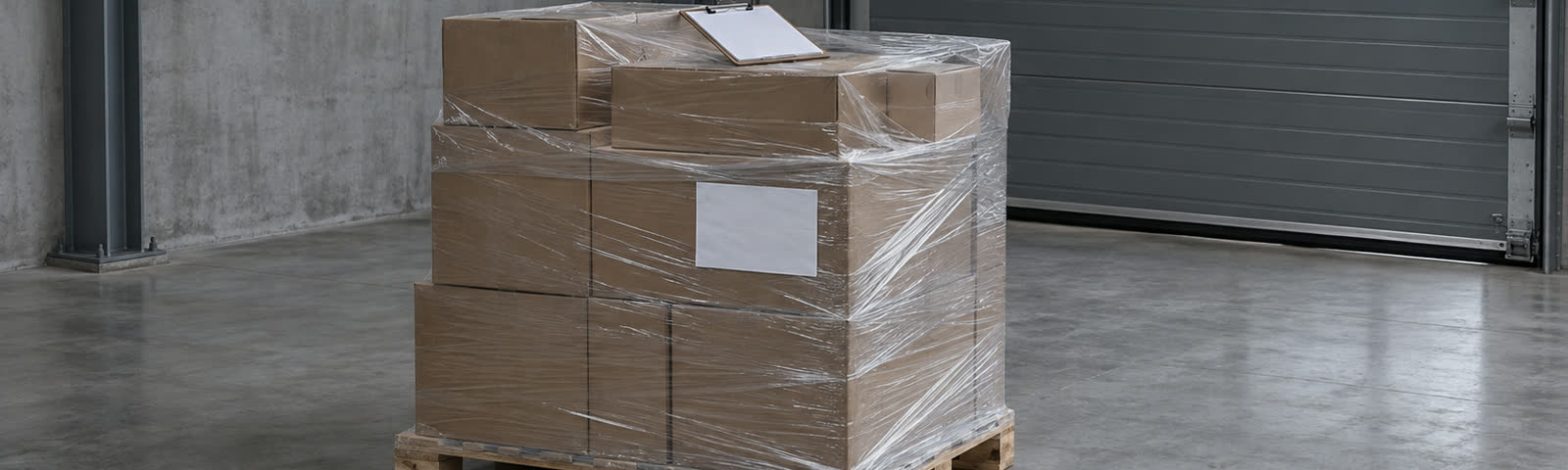
A small company in Germany has so far bought only within the EU. Now it orders for the first time from a manufacturer in a non-EU country: a part quantity that fits on a few pallets and comes by sea as a part container. The manufacturer has sent an invoice, a forwarder in the country of origin has been found, but nobody in the company has ever seen a customs declaration. The questions: what is an EORI number, which duties and taxes fall due, which documents does customs need, and who declares?
What the customer needs
- A plain explanation of what happens at import and which costs beyond the goods price are to be expected
- Help with applying for the EORI number and with the authorisation for customs representation
- A check of the manufacturer's invoice before the goods are loaded
- A customs declaration that passes without queries, and a place where the goods can arrive
How we handle it
First conversation.
We walk through the sequence once: sea freight to the port, clearance, duties and taxes, on-carriage. We explain which items will appear on the customs account (duty, import VAT, fees) and what they depend on.
EORI and authorisation.
The company applies for its EORI number with the competent authority; we say which details are needed. With the authorisation we may lodge the declaration on the company's behalf.
Checking invoice and packing list.
We read the manufacturer's invoice: are the goods described so that they can be classified in the tariff? Are delivery term, currency and country of origin on it? Does the packing list match the invoice? Whatever is missing we have added before the container is closed.
Classification and preliminary estimate.
We determine the commodity code, check whether product rules or origin preferences apply to the goods, and show the company the expected duties and taxes as a calculation path so that it can check its costing.
Arrival.
The goods arrive as a part container at the port's consolidation warehouse. We lodge the import declaration, handle any queries from the customs office, receive the release and have the pallets collected.
Delivery and paperwork.
The pallets are delivered to the company or stored with us. The company receives the customs assessment, the import VAT documents for its accounts and a short overview of what will go faster at the next import.
A similar task? Tell us about your shipment.
Request a quoteServices involved
If the first consignment comes by air instead of by sea, the customs part is the same; only the place and time of the declaration change.
What the customer gets
An EORI number and an authorisation that hold for all subsequent imports; an invoice from the manufacturer that customs accepts; a customs declaration without supplementary demands; the duties and taxes as a traceable account; the goods at the desired place; and the knowledge of how the next import runs. The second time the effort for the company is small: invoice and packing list to us, the rest is routine.
Your first import is coming up?
Send us the manufacturer's invoice as it is. We will tell you what customs would object to and what you still need before loading.