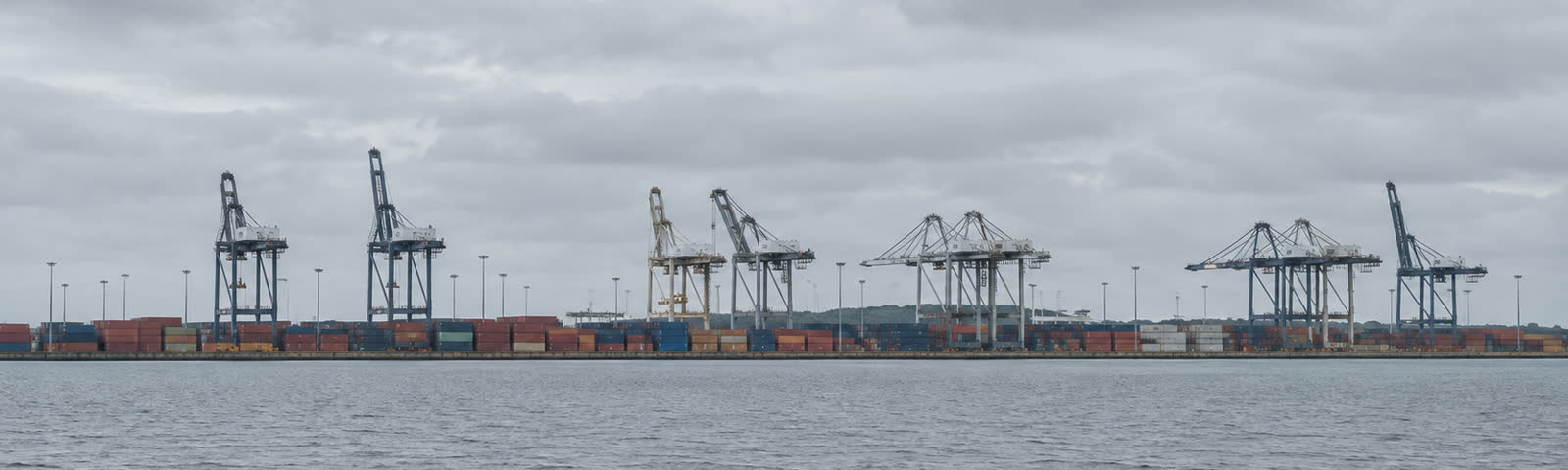
Sea freight
Sea freight is the way for large volumes and plannable replenishment. We organise full container loads (FCL) and part container loads (LCL) to and from Europe: the booking with the carrier through our partners, the pre-carriage in the country of origin if you do not provide it yourself, the document check, collection at the port, customs clearance and on-carriage by lorry or rail to the warehouse or straight to your recipient.
The difference between a calm and an expensive sea shipment usually lies in the days after arrival. Demurrage for the container in the port and detention for the empty box start running when documents are missing or the customs declaration is waiting. We therefore prepare the customs declaration and the collection before the vessel berths, and return the empty container within the free time.
What is included
- Booking of full and part containers through our partners, matching departure and arrival to your needs
- Check of commercial invoice, packing list, bill of lading (B/L) and, where needed, certificate of origin before loading
- Advice on delivery terms (Incoterms): who bears which costs and risks up to which point
- Import clearance on arrival, including tariff classification and customs value
- Collection at the port, on-carriage by lorry or rail, unloading at the warehouse or the recipient, return of the empty container
- Monitoring of free time for demurrage and detention so that no avoidable costs arise
Who it is for
Importers who regularly bring containers from Asia or other overseas regions to Germany
Online sellers who consolidate seasonal stock in a container and have it stored in Europe
Manufacturers who ship part quantities as LCL because a full container is not yet worthwhile
How it works
Enquiry and booking.
You name the goods, volume, origin and target date; we propose route and container type and book.
Documents.
Before loading we check the invoice, packing list and draft bill of lading; errors are corrected now, not at the port.
Arrival.
Customs declaration and collection are prepared; the container is released, collected and taken to the warehouse or recipient.
Completion.
Unloading, return of the empty container, customs assessment and invoice to you.
Related services and scenarios
A container on its way or in planning?
Tell us the port of departure or factory location, the volume and the goods. We will tell you what the way to your warehouse or customer looks like and which documents we need for it.